LLM API costs
Nebius and the $40 Billion Neocloud Bet: An FAQ
Nebius has outlined plans for roughly $40 billion in AI infrastructure spending — a figure that puts a company far smaller than the hyperscalers into their weight class on capital commitments. What makes the plan notable is not only the size but the financing: customer prepayments and loans. Meanwhile, delays at a Microsoft data center have raised questions about whether the timing behind that model holds. Here is what you need to know.
The basics
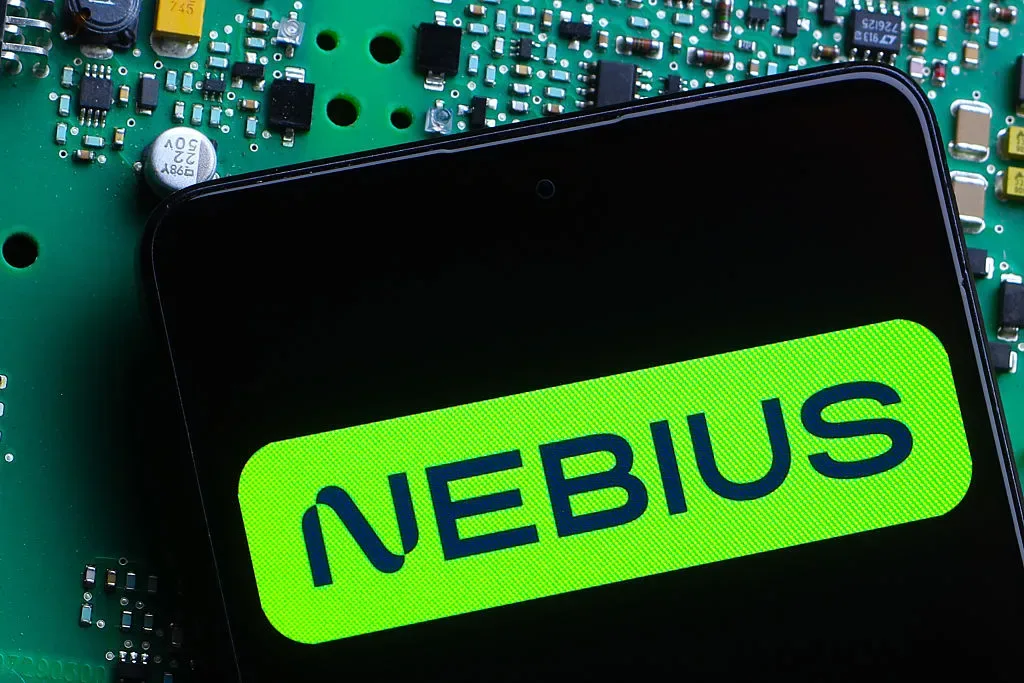
Figure: Editorial context image from the source page (preview only; rights remain with the publisher) · Credit / further reading: techcrunch.com
1. What is Nebius?
Nebius is an AI-focused cloud provider — commonly called a "neocloud" — that rents GPU compute, managed Kubernetes and related infrastructure to AI developers. It emerged from the international assets of Yandex and listed on Nasdaq, positioning itself as a European-headquartered alternative to the big three clouds for AI training and inference workloads.
2. What is the $40 billion figure?
It is a planned, multi-year capital commitment to AI infrastructure: data centers, GPUs, networking and the power contracts behind them. Reported in November 2026, the number signals the scale Nebius believes it must reach to compete for large AI contracts rather than remain a niche capacity reseller.
3. How does Nebius intend to pay for it?
Through a mix of customer prepayments and debt. Prepayments mean customers pay in advance for capacity they will consume later; loans cover the remainder. That combination lets Nebius build ahead of revenue, but ties its balance sheet tightly to delivery schedules.
4. What exactly is a "neocloud"?
A neocloud is a GPU-specialist cloud that competes with AWS, Azure and Google Cloud on price, availability and speed of access to the newest accelerators. Neoclouds typically own less real estate and lease more, sign large multi-year capacity contracts, and rely on debt and prepayments to fund hardware purchases.
5. Why is the Microsoft data center delay relevant?
Because capacity contracted to Microsoft is a major revenue pillar, and a delayed facility pushes that revenue to the right while financing costs keep running. For a company funding construction with debt and prepayments, timing is not a detail — it is the entire model.
The financing mechanics
Figure: HEXOPS original illustration inspired by the topic (not a copy of the source article imagery) · Credit / further reading: techcrunch.com
6. Why are customer prepayments so attractive?
They are usually cheaper than debt and do not dilute shareholders. A prepayment is effectively a customer loan secured by future compute, so it converts demand directly into capital. The catch: it concentrates risk in a handful of counterparties and requires each customer to trust your delivery timeline.
7. How is that different from taking a loan?
A loan is repaid in cash on a fixed schedule regardless of whether the capacity is ready. A prepayment is settled in service, giving some flexibility if construction slips — but a cancelled or renegotiated contract can turn into a refund obligation at the worst possible moment.
8. What are the biggest risks in this model?
Four stand out: construction and power delays; customer concentration among a few very large AI buyers; GPU depreciation as newer chips arrive; and interest-rate exposure on floating-rate debt. These compound each other — a delivery delay while debt matures is far worse than either problem alone.
9. Is this approach unusual?
Not anymore. It has become the standard neocloud playbook: sign anchor tenants, borrow against contracted backlog, build fast, then refinance as revenue arrives. What differs here is scale — a $40 billion commitment is a hyperscaler-sized ambition being attempted by a much smaller company.
10. What is the bull case?
If AI compute demand keeps outpacing supply, contracted capacity behaves almost like a bond: predictable, multi-year, inflation-resistant revenue. Prepayments then fund the next build, and each data center becomes collateral for the following one. Nebius's European footprint and access to power are genuine differentiators in a market where electricity, not silicon, is often the binding constraint.
11. What is the bear case?
That demand timing shifts, capacity arrives late or in the wrong location, and debt matures before the revenue does. Neoclouds are effectively leveraged bets on a single variable — sustained scarcity of GPU compute — and scarcity can disappear quickly once supply catches up or model efficiency improves.
12. What should enterprise buyers watch?
Delivery clauses and credit terms in your own contracts. If your provider finances expansion with prepayments, ask what happens to your reserved capacity if their construction slips, what service credits apply, and whether you can move workloads to another region or provider without re-engineering your stack.
Key takeaways
- Nebius plans roughly $40 billion in AI infrastructure spending, funded through customer prepayments and loans.
- Prepayments convert customer demand into capital but concentrate counterparty and delivery risk.
- Delays at a Microsoft data center show how a construction slip can compress a financing model that depends on timing.
- The neocloud playbook works only while compute scarcity holds and contracted backlog converts into revenue on schedule.
- Enterprise buyers should scrutinise delivery guarantees, service credits and workload portability — not just price per GPU-hour.
Next steps
- If you buy GPU capacity, map your provider's funding structure and contract concentration before signing any multi-year deal.
- Model a 6–12 month delivery slip and confirm that service credits, termination rights and exit clauses actually cover it.
- Track backlog-to-revenue conversion, debt maturity schedules and power contract announcements in quarterly disclosures.
- Maintain a second-source compute plan — portability is far cheaper than re-platforming under pressure.